Wake Up Dead Man: 5 Hidden Clues You Missed in the First 10 Minutes
Wake Up Dead Man: 5 Hidden Clues You Missed in the First 10 Minutes
The Knives Out movies have a signature move: they tell you the truth early—then dare you to ignore it. Wake Up Dead Man: A Knives Out Mystery takes that trick to church, turns the volume up, and builds an “impossible crime” where the opening minutes are basically a confession… if you know what to look for.
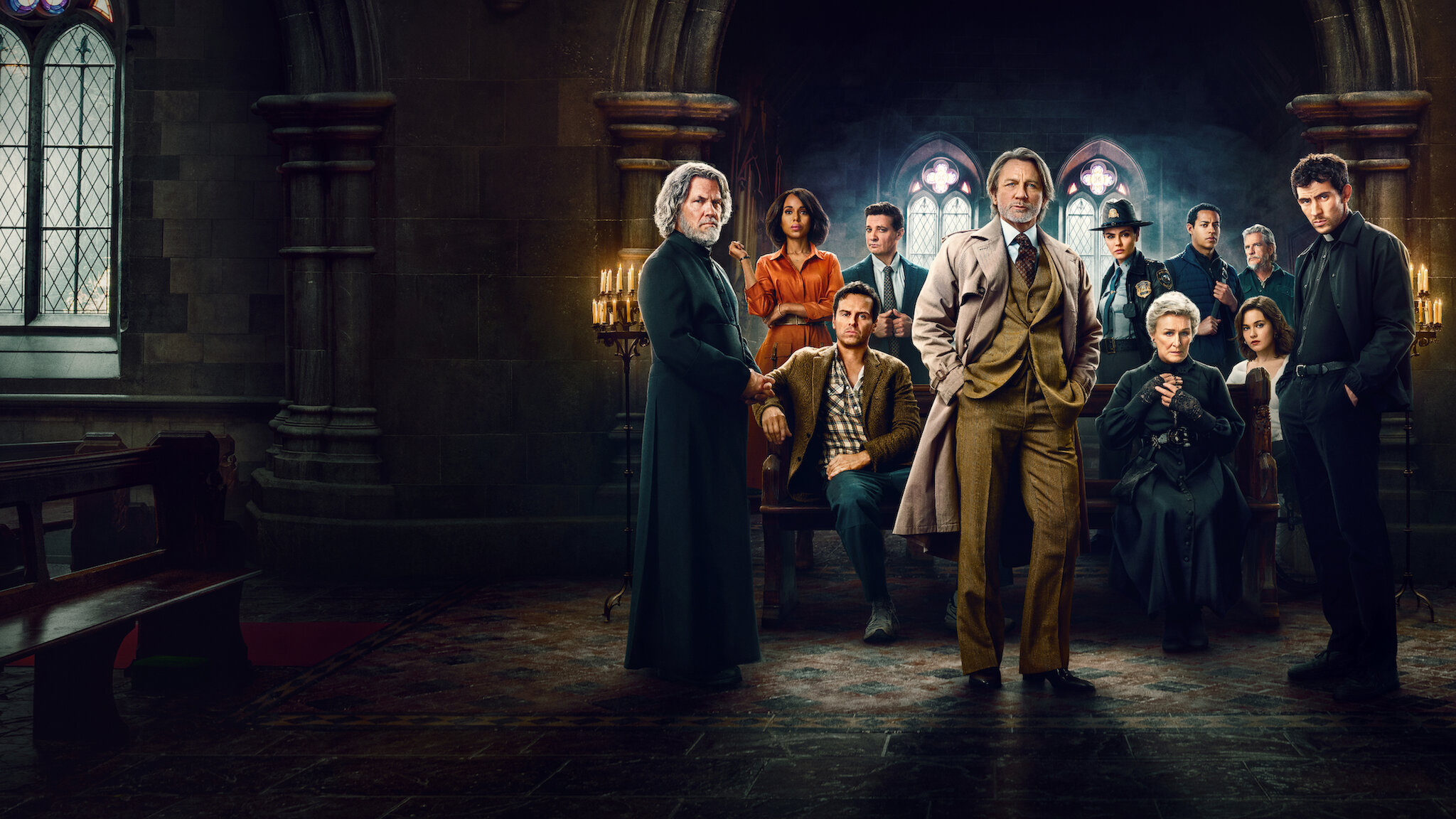
Spoiler warning: This post focuses on the first 10 minutes, but it also points out how those early details connect to later reveals.
If you like your mysteries “clean,” the opening is the part that feels the messiest: a church, a speech, a collapse, and a crime that seems impossible on paper. That chaos is the point. In a locked-room puzzle, the movie has to do two things fast:
- make you believe the “myth” of what happened,
- and quietly show you the mechanics of what really happened.
Reddit Recap: What the First 10 Minutes Are Really Doing
The opening sets the chessboard: a tight-knit parish, a newcomer with a “violent past” aura, a charismatic authority figure, and a community that wants a story to believe in more than it wants a truth to examine.
Even before the case fully “opens,” the movie is already doing something sneaky: it’s teaching you which details will matter later (objects, gaps, rituals) and which details are there to make you point your finger at the wrong person.
Reddit Clue #1: The Missing Crucifix That’s Practically Screaming “Look Here Later”
Early on, Wake Up Dead Man plants an absence: the church’s missing crucifix. It’s an unnerving visual because it’s not a prop you “forget” in a story that’s literally about faith, symbolism, and what people choose to worship.
The clever part: the movie treats that absence like atmosphere… but it functions like a map marker. When a film frames a missing object this loudly, it’s often because the object is going to return with a twist—recontextualized as evidence, a hiding place, or both.
Reddit Clue #2: The “Devil / Wolf Head” Detail That Tells You It’s a Two-Stage Kill
In the first big shock, the murder presentation is theatrical: a “devil” (or “wolf”) head, blood, and a crowd ready to turn the moment into legend. That’s the tell.
A real-world kill is rarely designed to be read by a room full of witnesses. A staged kill is. When the opening goes heavy on iconography—something that looks like a “sign”—it’s hinting the crime is built for an audience first, and a timeline second.
If you rewatch the moment as a magic trick, not a murder, it clicks: the “knife” is an effect, the blood is part of the show, and the truth is happening in the blind spot created by the spectacle.
Reddit Clue #3: The Flask Moment That’s Shot Like Evidence (Because It Is)
One of the slickest early tells is how the movie treats the “small” ritual objects: what gets handled, where it’s kept, and how the camera gives it time.
In a church setting, the audience expects ritual. So the movie can hide evidence inside a routine action (a sip, a pause, a private moment) without triggering your “this is important” alarm—unless you’re watching like Blanc.
Reddit Clue #4: The Locked-Room Framing That Isn’t About the Door
“Impossible crimes” aren’t really about locks. They’re about attention control. The opening pushes you to obsess over the sealed space, but the trick is usually one of these:
- timing manipulation (you think events are sequential, but they’re layered),
- prop duplication (you assume “the” object is unique, but it isn’t),
- role misdirection (someone “checking” a body is actually doing the crucial move).
In other words: the locked-room setup is the movie telling you the solution will be mechanical, not mystical—and that the most “logical” person in the room might be the one building the illusion.
Reddit Clue #5: Jud’s “Fighter” Backstory Is a Misdirect—And the Movie Tips Its Hand Early
The opening wants you to see Father Jud as a problem: temperament, history, rumor. That makes him the easiest narrative scapegoat. And in a community story, scapegoats are convenient because they save everyone else from examining themselves.
Here’s the clue hidden in the misdirect: when a mystery introduces a “too perfect” suspect early, it’s often telling you to watch the people who benefit from the community choosing that suspect.
The first 10 minutes are less about “who did it” and more about “who gets protected when we decide who did it.”
What Reddit Theories Say About the Ending
One of the most fun post-watch rabbit holes is how viewers talk about the film’s repeated animal imagery and duplicated props—because those details sit right at the intersection of theme and method. Some theories focus on the film’s faith-and-avarice argument, while others treat the props like a pure puzzle box, tracking what appears, disappears, and reappears.
The best Reddit-style way to rewatch is to pick one motif (the “missing” crucifix, the devil/wolf head, the “miracle” framing) and follow it like it’s the main character. You’ll be shocked how often the film rewards that level of obsession.
Reddit Rewatch Checklist: 60-Second “Spot the Clues” Game
- Pause on the altar area: what’s missing, and what’s emphasized instead?
- Watch the “stab” moment like stagecraft: does it look clean or performative?
- Track small handheld objects: who touches what, and who gets privacy?
- Listen for language that turns facts into “myth.”
- Ask: who benefits if the room believes the simplest story?